Fort Smith Fence Company — Craftsmanship Since 1963
Fort Smith's premier family-owned fence company. 62 years of proven, rugged, and trustworthy fencing solutions for homes and businesses.
- Residential & commercial fence installation
- Repair, gates, handrails & specialty fencing
- Serving Fort Smith, Van Buren, Alma, Greenwood & more
Our Fencing Solutions
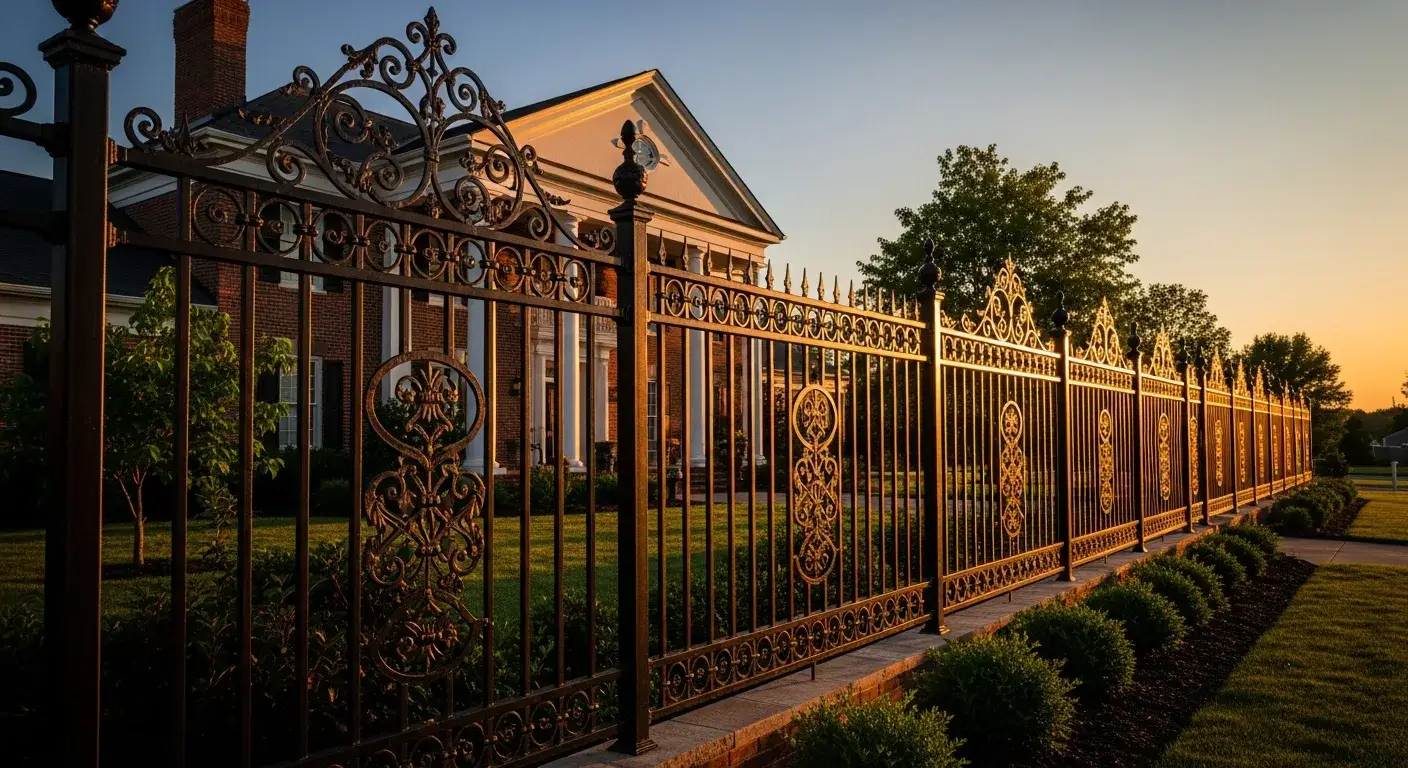
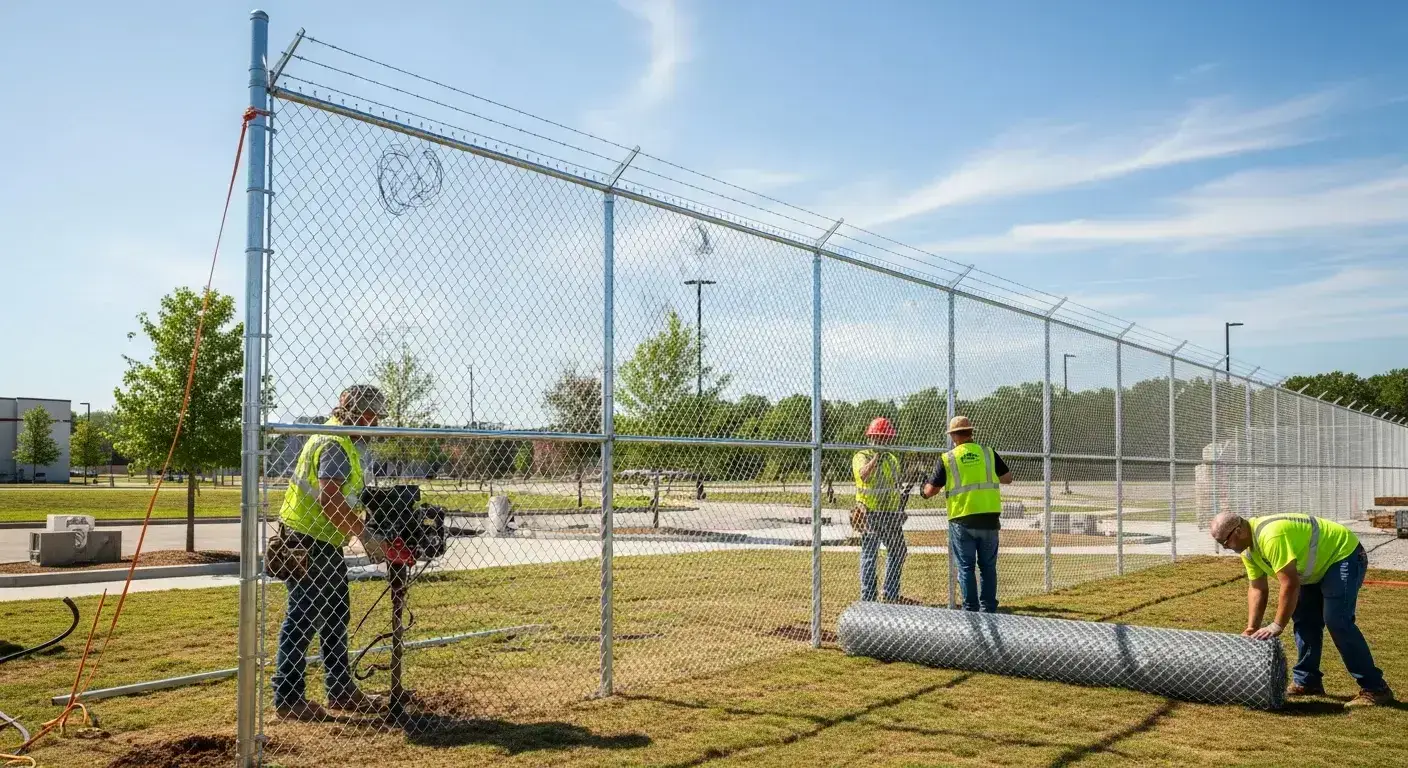
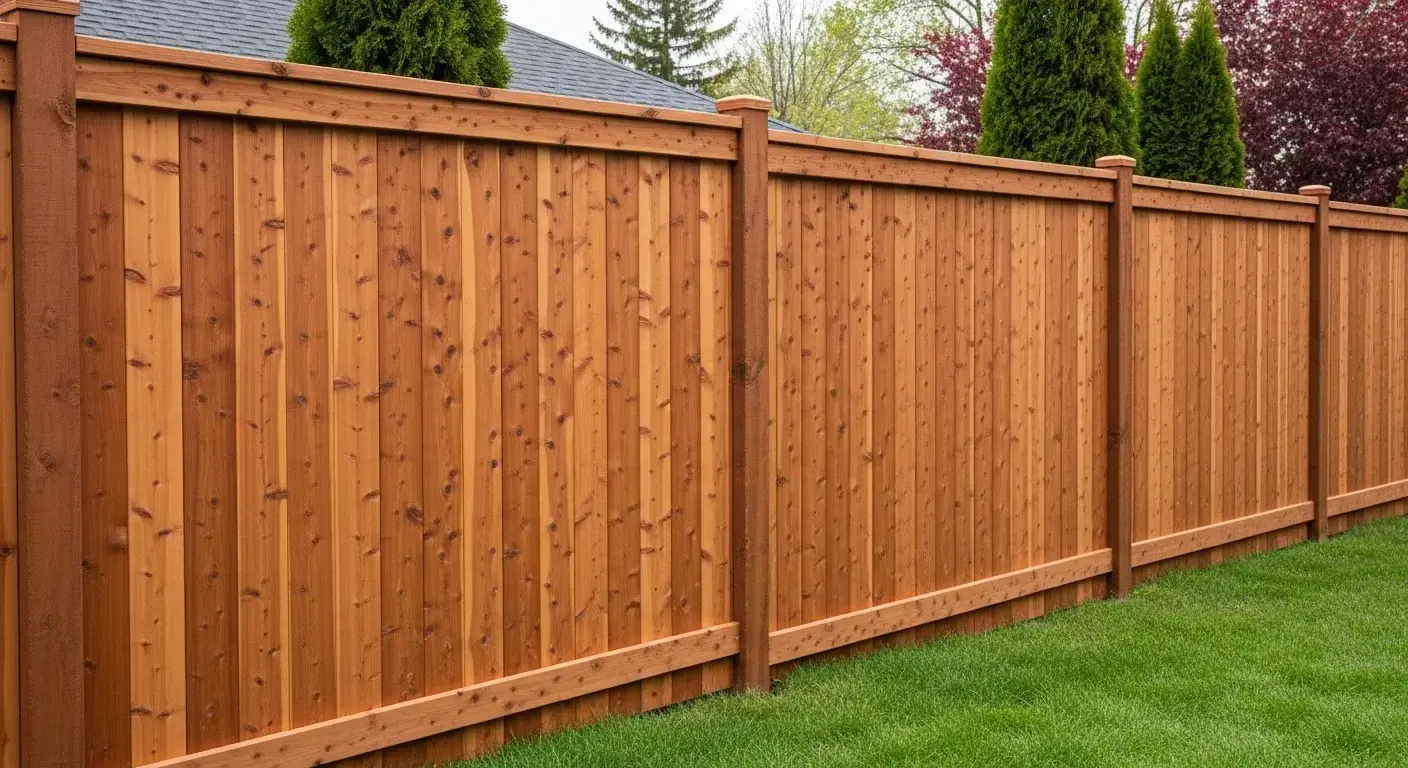
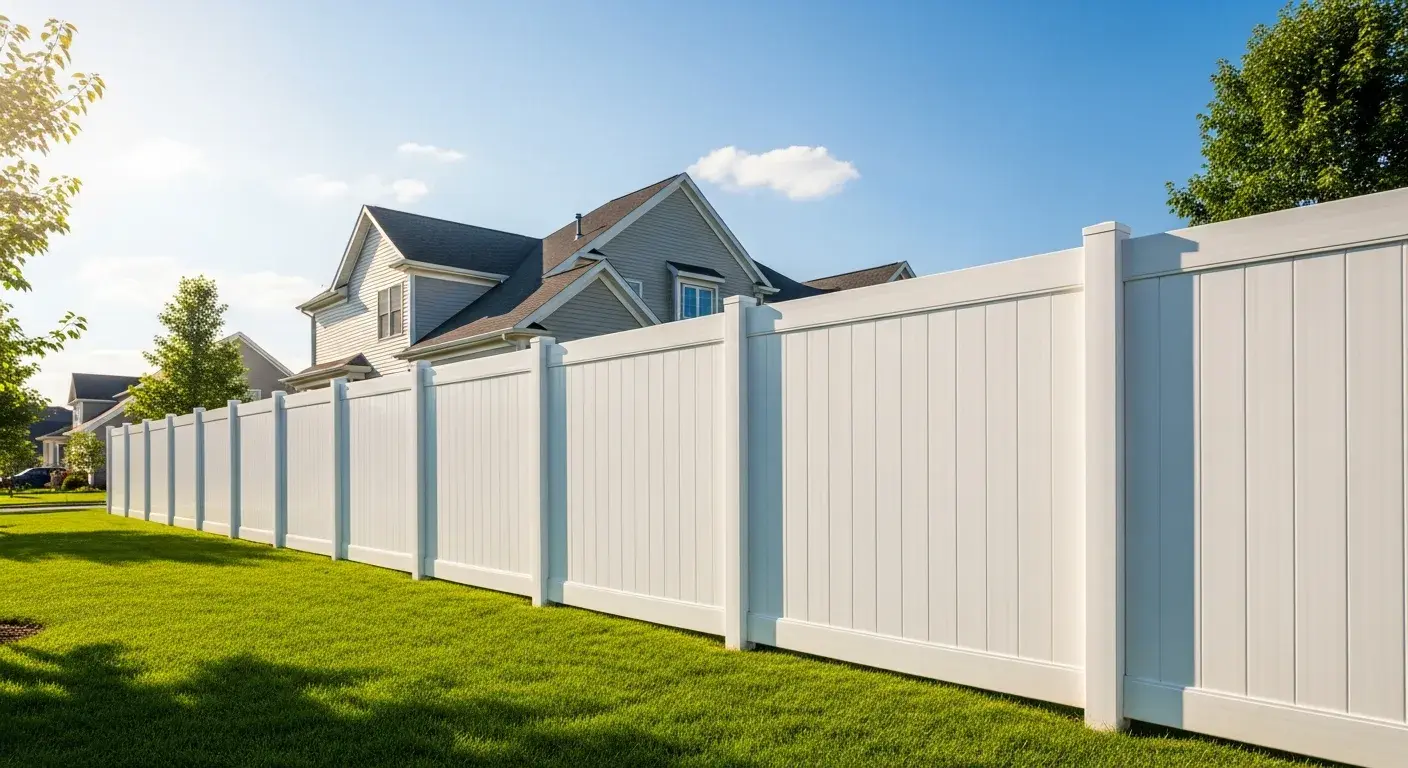
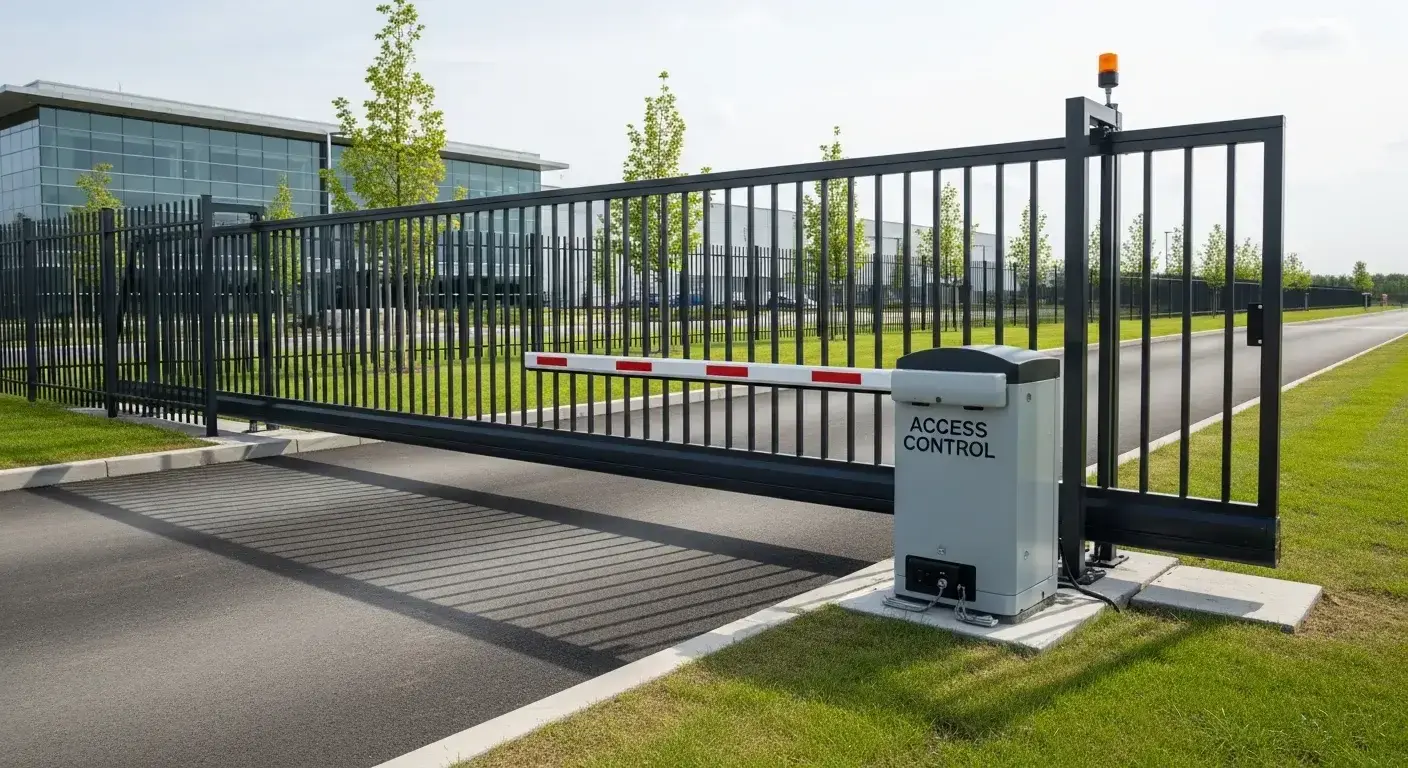
From classic cedar privacy fences to high-security commercial chain link and elegant ironwork. We build fences meant to last a lifetime.
Not A Franchise. A Real Arkansas Family Business.
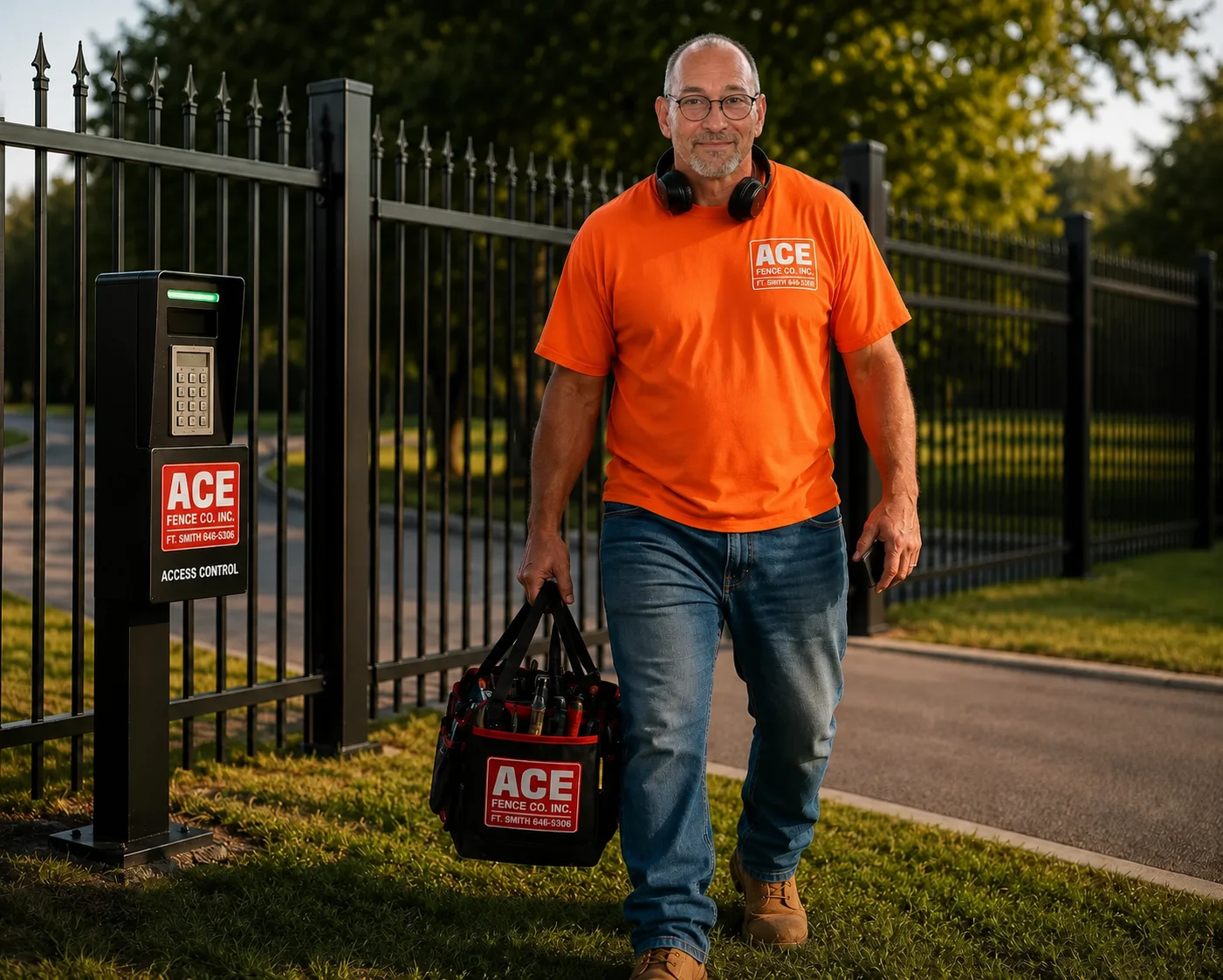
In 1963, Gail's father and uncle started building fences with one philosophy: do it right the first time. Today, Gail and Cory Goodwin carry on that same tradition. We are older than our competitors by over a decade because we don't cut corners.
Unmatched Experience
Walking onto our lot feels like shaking hands with someone who's been building fences before most of our competitors were born.
Quality Craftsmanship
We use premium materials and time-tested installation methods. A fence from Ace stands the test of time and weather.
Deep Local Roots
Serving the Fort Smith River Valley and Northwest Arkansas. We live here, we work here, and we care about our community.
"Our reputation is built into every post we set and every gate we hang."
What Our Customers Say
Don't just take our word for it. Read what your neighbors in the River Valley have to say about our work.
"ACE Fence installed a cedar privacy fence along our entire backyard in Chaffee Crossing. Crew was professional and finished in two days."
"We needed commercial chain link around our warehouse on Rogers Ave. ACE was the only company that actually showed up on time and delivered what they quoted."
"Best fence company in Van Buren. We've used them twice now — once for wood privacy, once for a gate operator."
"They installed ornamental iron across the front of our property in Greenwood. Looks incredible. Price was fair and they didn't cut corners."
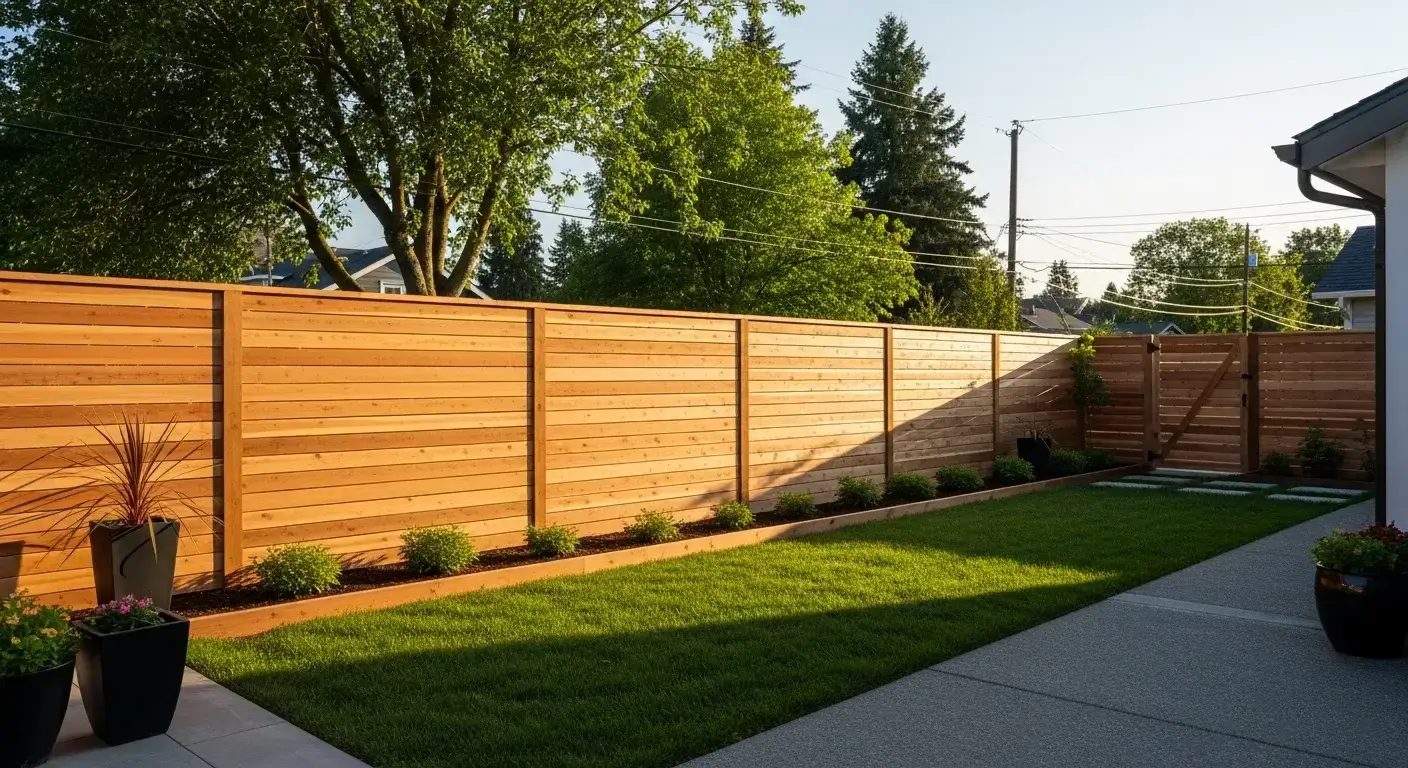
After the Storm
"That's Not Luck. That's How We Build."
One of our customers called us after a recent storm. Their fence was leaning slightly, and they wanted us to come take a look. While they were outside inspecting it, a neighbor walked over and started talking about all the damage in the area.
"It seems like half the fences in the neighborhood are down. How did yours stay up?"
"I don't know. I guess I got lucky."
"That's not luck. If it stayed standing through that storm, it must have been built right."
A few days later, that same neighbor called Ace Fence Company and ordered a new fence.
We're not going to tell you that every fence will survive every storm. No honest contractor can make that promise. Severe weather is unpredictable, and Mother Nature always has the final say.
What we can tell you is that we build our fences with strong foundations, quality materials, and installation methods designed to stand up to the elements. Stories like this remind us why we take pride in doing the job right the first time.
ACE Fence Company. Built Strong. Built Right.
Learn Before You Build
Expert guides from 62 years of fence experience — free, no strings attached.
7 Costly DIY Fencing Mistakes (And How to Avoid Them)
Skipping the 811 call, ignoring property lines, cutting corners on post depth — learn the seven mistakes homeowners make most often and how much each one can cost.
Read GuidePrivacy Fence Options: Which Material Is Right for Your Home?
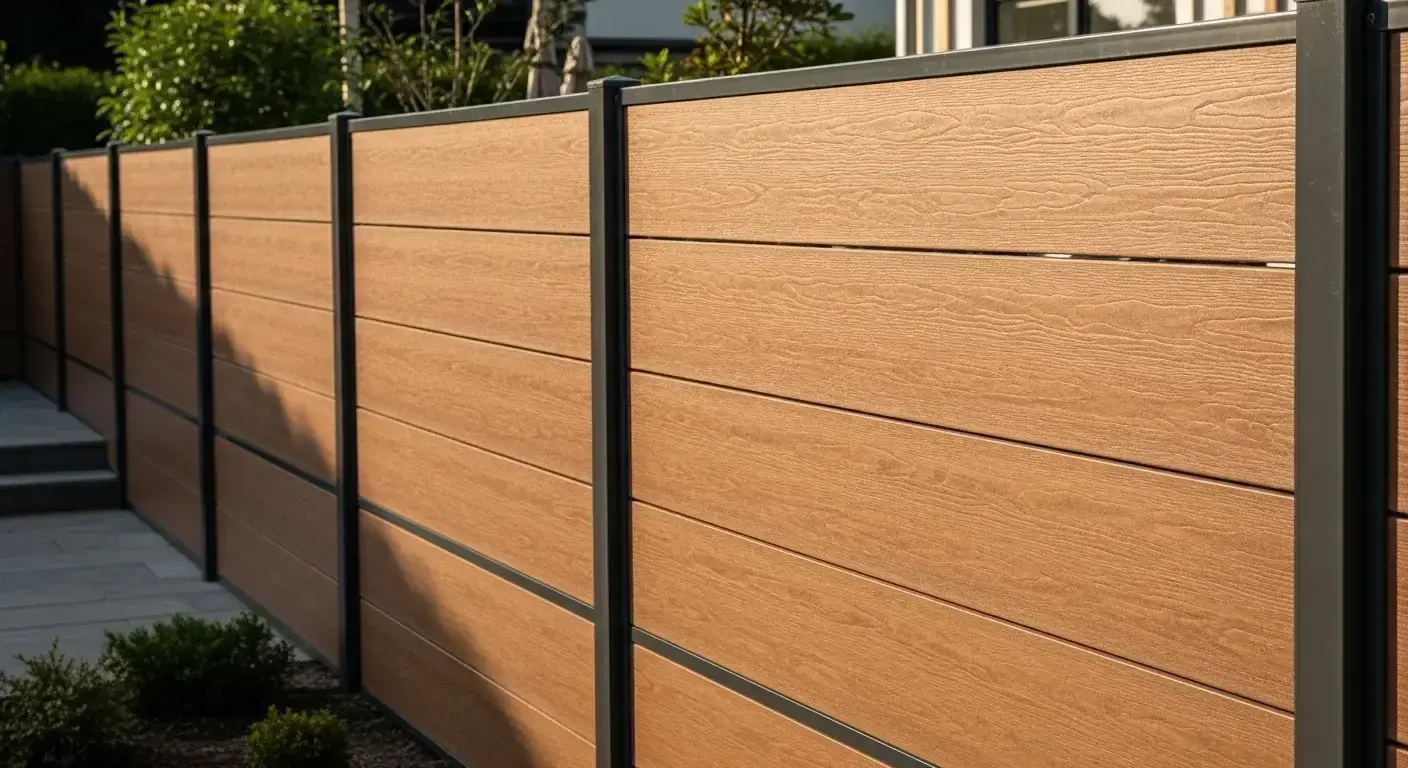
Compare wood, vinyl, composite, and other privacy fence materials side by side. Find the best fit for your Fort Smith or River Valley backyard and budget.
Read GuideHow to Prepare for a Fence Estimate
Four simple steps to ensure your free on-site consultation goes smoothly — from knowing your property lines to checking HOA rules and utility locations.
Read GuideAbout ACE Fence Company Inc.
ACE Fence Company Inc. provides residential and commercial fence installation, fence repair, gate installation, access control, temporary fencing, agricultural fencing, and custom iron railings in Fort Smith, Arkansas and surrounding areas. Founded in 1963 by the Mann family, and still running strong under Gail and Cory Goodwin, the company has served the River Valley and Northwest Arkansas for over 62 years as a licensed, insured, family-owned fence contractor.
Services We Offer
- Wood fence installation
- Chain link fence
- Vinyl fence installation
- Ornamental iron fence
- Composite fence
- Fence repair
- Gates & access control
- Temporary fencing
- Agricultural fencing
- Custom railings
Who We Serve
- Homeowners
- Property managers
- Commercial businesses
- Farms & ranches
- Contractors & builders
- Schools & institutions
- HOAs
- Industrial facilities
Areas We Serve
- Fort Smith, AR
- Van Buren, AR
- Greenwood, AR
- Alma, AR
- Barling, AR
- Lavaca, AR
- Poteau, OK
- Roland, OK
- Sallisaw, OK
- Muldrow & Arkoma, OK
Why Customers Choose Us
- In business since 1963
- Family-owned, not a franchise
- Free on-site estimates
- Licensed & fully insured
- A+ BBB rating
- Bilingual (EN/ES)
- We pull permits for you
- Workmanship warranty
Ready for a Better Fence?
Contact Ace Fence Company today for a free, no-obligation estimate on your next residential, commercial, or industrial fencing project.